Hardie Board Siding Upgrades in Rosenberg TX: Storm Proofing Your Home Exterior
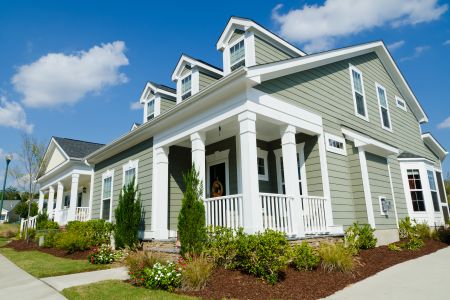
In Rosenberg, TX, siding is more than curb appeal. It is armor against Gulf-fed rain, wind, heat, and humidity. Older homes with original wood or vinyl often struggle in our climate, while fiber cement, often called Hardie Board, is built for the challenge. If you are weighing a change, talk with All Around Roofing LLC about hardie siding installation that is designed for Southeast Texas weather.
Homeowners often ask about “best storm resistant siding Texas” and how it compares long term. The answer comes down to materials, details, and local know-how. This guide walks through performance, code-aware installation expectations near the Brazos River, and design choices that fit both historic bungalows near downtown and newer builds off I‑69.
How Southeast Texas Weather Punishes Old Wood and Vinyl
Between sudden downpours, long humid stretches, and the occasional tropical system, Rosenberg gives siding a workout. Here is what typically happens over time:
- Wood: swells, cracks, and can rot when paint fails. Termites and carpenter ants find easy targets.
- Vinyl: can warp in heat, rattle or crack in wind, and look chalky after years of UV exposure.
Fiber cement changes that story. It does not rot or invite pests, and it keeps its shape through heat waves and high winds. Paint holds longer on a stable substrate, so you repaint less often. You get quieter storms and steadier comfort inside because walls shed water instead of soaking it up.
Why Hardie Board Siding In Rosenberg, TX Stands Up To Storms
James Hardie’s fiber cement is engineered for hot, humid, storm-prone regions like ours. Performance you can feel and see:
- Dimensional stability that helps seams stay tight and trim lines look crisp after temp swings.
- Noncombustible material for added peace of mind around grills and property lines.
- Precision cuts and factory finishes that deliver consistent color and cleaner edges.
Avoid mixing materials without a plan. Transitions from old wood or vinyl to fiber cement need proper flashings and trim to keep water out and lines straight. A complete system installed by a local pro prevents weak points that storms can find.
Code‑Ready Installation Near The Brazos River
Local inspectors around Brazos River communities want to see manufacturer instructions followed and basic moisture management details in place. While specifics vary by home and code cycle, pros in our area typically build to these principles:
Clearances that discourage water wicking
- Keep siding a minimum of about 6 inches above soil and landscaping.
- Maintain roughly 1 to 2 inches above roofs, decks, steps, and hardscapes.
Flashings that steer water away
- Kickout flashing where a roof slope dies into a wall to divert runoff into the gutter.
- Metal head flashing over windows and doors, tucked behind the weather-resistive barrier.
- Z‑flashing at horizontal trim and panel breaks so water exits instead of sneaking behind boards.
Weather barrier and fasteners that last
- Continuous, lapped, and taped weather‑resistive barrier behind the siding with sealed penetrations.
- Corrosion‑resistant nails driven into studs at the right depth to prevent overdriving.
These are pro standards that help you pass inspection and sleep better when storms line up over Fort Bend County. All Around Roofing LLC installs to manufacturer guidance and local best practices so your investment holds up season after season.
Local tip: Homes close to low‑lying areas or drainage corridors benefit from extra attention at roof‑to‑wall joints. Proper kickout flashing prevents hidden rot where wind‑driven rain piles up. A little detail here avoids big repairs later.
Textures And Colors That Fit Historic And New Homes
Rosenberg has character. You see it in the old‑town porches near Morton Street and in the planned neighborhoods around Brazos Town Center. Fiber cement helps you match both worlds:
Textures
- Smooth lap for a clean, contemporary profile that pairs with stucco and stone.
- Cedarmill wood‑grain for historic charm on cottages and ranch homes.
- Board‑and‑batten panels to accent gables or a full farmhouse look without the upkeep of real wood.
Colors
- Warm beiges and soft greiges that tie into traditional brick.
- Classic whites for trim and soffits that brighten shaded lots with big oaks.
- Coastal blues and deep charcoals that pop on newer construction while staying HOA‑friendly.
Sample colors in real light. Morning haze and late‑day sun can shift how a color reads. We help you review swatches outdoors so your choice still looks right when summer storms roll through at dusk.
What To Expect From A Professional Siding Installation
Great siding is a system, not just boards. Here is the high‑level process our crews follow so you know what is happening and why:
Assessment and scope
- Inspect sheathing, framing lines, and roof‑to‑wall tie‑ins to plan the flashing package.
- Map venting, lighting, hose bibs, and electrical penetrations for proper sealing.
Prep and protection
- Set protection for landscaping, AC units, and windows. Stage materials so cuts stay precise and dust is controlled.
- Remove failing cladding and confirm the substrate is sound before the first WRB layer goes on.
Moisture management first
- Install the weather‑resistive barrier with shingled laps, then flash windows, doors, and horizontal breaks.
- Set starter strips level. Flash roof‑to‑wall transitions with step and kickout flashings.
Siding and trim
- Hang boards with the right fasteners and reveal. Seal where the manufacturer specifies, not everywhere.
- Finish with color‑matched caulk at designated joints so expansion and contraction do not stress the system.
Final walkthrough
- Confirm clearances, clean lines, and consistent reveals. Review care basics so your finish lasts longer.
If your roof is due soon, consider timing both projects together. Coordinating siding with roof replacement reduces repeat scaffolding, protects new walls during tear‑off, and can shorten overall project time.
Comparing Lifespan And Value Without Guesswork
Vinyl and wood can look fine when they are new, but the lifecycle costs stack up through repainting, repairs, pest treatment, and storm damage. Fiber cement tends to keep its shape and paint longer, so the money you spend goes further into curb appeal and resale confidence. If you are researching “fiber cement siding replacement cost,” remember that totals vary by home size, wall height, trim package, and season. We are happy to build a clear scope so you can compare apples to apples without surprises.
Choosing a local partner matters as much as the product. With winds that can whip across open fields and rain that finds every weak spot, installation quality is the difference between siding that looks good and siding that actually protects. That is why neighbors call All Around Roofing LLC for thoughtful planning, neat job sites, and responsive communication.
You can also start at the source. Learn more about our team and services by visiting Hardie Board Siding Rosenberg, TX and see how we approach homes like yours with care.
Details That Make A Big Difference In Storm Season
Not every upgrade is visible from the street, but details behind the paint line are where storm performance is won:
- Back‑caulking where specified helps stop capillary action at laps without creating trapped moisture.
- Drip caps over horizontal trim keep water from curling back into joints.
- Open‑ended bottom edges with the right clearance let walls breathe and dry out quickly after heavy rain.
- Sealed utility penetrations around meters and lines reduce water paths during wind‑driven events.
Do not skip manufacturer instructions. When boards are installed to spec, warranties stay intact and inspectors sign off faster. It also sets you up for lower maintenance later.
Neighborhood-Friendly Styles Without The Headaches
From cozy cottages near Seabourne Creek to newer streets around Brazos Town Center, fiber cement helps you hit the right tone without constant repainting. Smooth lap with crisp white trim reads classic on a 1960s ranch. Vertical board‑and‑batten in a deep gray gives newer homes definition. Shingle‑style accents in gables bring texture without the risk of wood rot in shaded eaves.
We help you tailor soffits, fascia, and trim so your home looks intentional from every angle. Careful color contrast around windows and a slightly bolder front‑door shade add personality that still fits Fort Bend neighborhoods.
Service You Can Trust From A Local Team
All Around Roofing LLC installs fiber cement with code awareness and a craftsman’s eye. Our crews are trained on moisture management, flashing, and clean lines that pass the driveway test. We stand behind our work with clear communication before, during, and after the job. When storms test your walls, you will feel the difference in how quiet, dry, and steady your home stays.
Ready To Storm Proof Your Rosenberg Home?
Let’s plan a resilient, great‑looking exterior that suits your neighborhood and stands up to Southeast Texas weather. Explore styles and system details on our fiber cement siding page, then call 832-691-5313 to schedule your on‑site assessment with All Around Roofing LLC. We will build a clear scope and timeline so you get lasting results with no guesswork.